
What to Expect at Closing: A Step-by-Step Guide
Quick answer
Closing day is the final step to homeownership. Here's exactly what happens, what to bring, and what to sign.
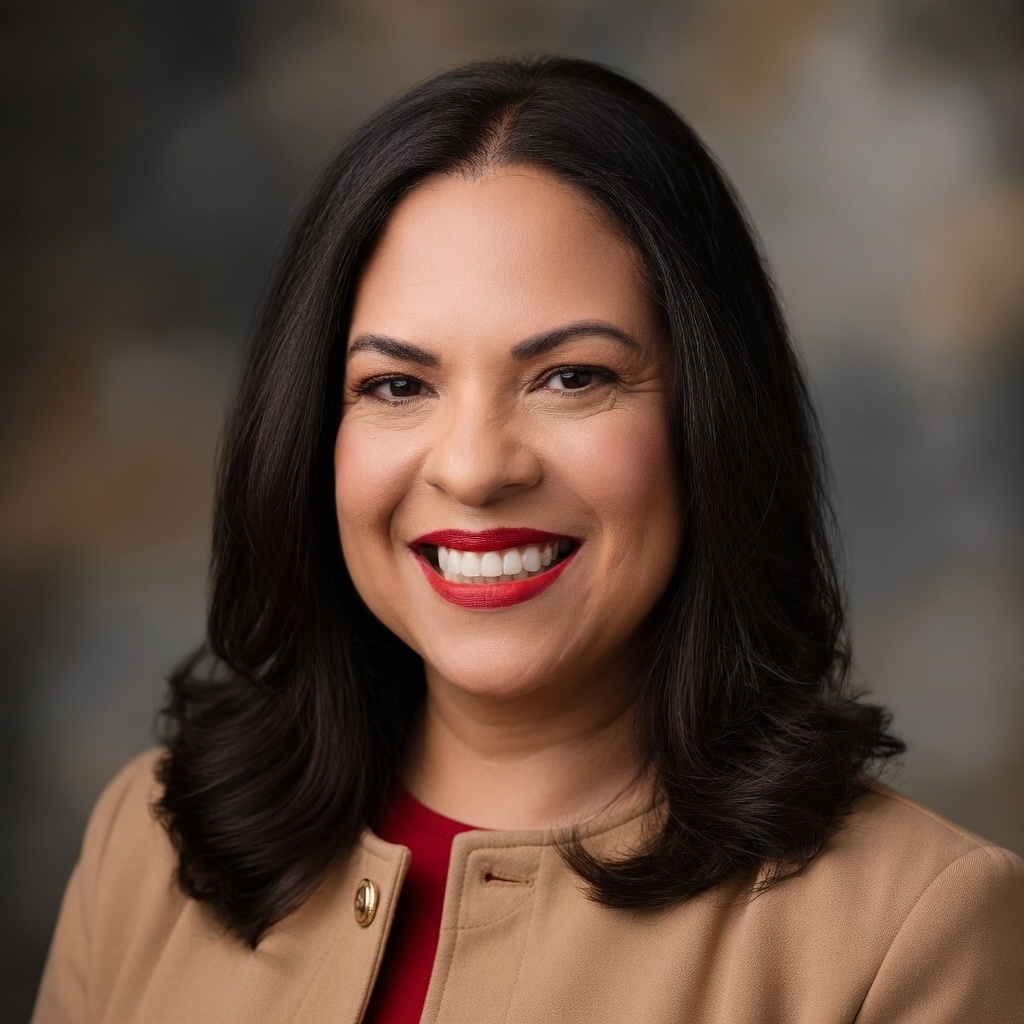
REALTOR® with RE/MAX Journey and Mortgage Loan Originator, NMLS #2603041. Bilingual homeownership education with a local focus on Rutherford County and Western North Carolina.
What to Expect at Closing: A Step-by-Step Guide
Closing day — also called settlement — is the final step in the home-buying process. It's the day you sign the paperwork, pay your closing costs, and receive the keys to your new home. It's exciting, but it can also feel overwhelming if you don't know what to expect. Here's a complete guide to closing day.
What Happens Before Closing
The Closing Disclosure (CD)
At least three business days before your closing date, you'll receive a Closing Disclosure from your lender. This document itemizes:
- Your final loan terms
- Your interest rate
- Your monthly payment
- All closing costs
- Cash to close (the total amount you need to bring)
Review this document carefully. Compare it to your Loan Estimate from the beginning of the process. If anything has changed significantly and you don't understand why, ask your lender before closing day.
Final Walkthrough
Typically 24–48 hours before closing, you'll do a final walkthrough of the property. This is to confirm:
- The home is in the same condition as when you made the offer
- Any agreed-upon repairs have been completed
- The seller has left any items included in the sale (appliances, fixtures)
- No new damage has occurred
If issues are found, your agent can address them before closing or negotiate a solution.
What to Bring to Closing
- A government-issued photo ID (driver's license or passport)
- Your Social Security number
- Proof of homeowners insurance (your agent will verify coverage starts on closing day)
- A cashier's check or wire transfer for your cash to close (personal checks are not accepted)
- Any additional documents your lender or title company requests
Important: Wire fraud is a serious threat in real estate transactions. Always verify wire instructions by phone with a known number — never use the phone number in an email. Scammers routinely impersonate title companies.
Who Attends Closing
Closing practices vary by state. In North Carolina, closings are typically conducted by an attorney who represents the lender and handles the title work. Attendees usually include:
- You (the buyer)
- The seller (or their representative)
- Your REALTOR®
- The seller's agent
- The closing attorney or title agent
- The lender's representative (sometimes attends, sometimes reviews remotely)
What You'll Sign
Be prepared to sign a lot of documents. Here are the most important ones:
The Closing Disclosure
A final summary of your loan terms and costs. You'll sign to acknowledge receipt.
The Promissory Note
This is your promise to repay the loan. It includes the loan amount, interest rate, payment schedule, and the consequences of default. This is the most important document — it's your IOU to the lender.
The Deed of Trust (Mortgage)
This gives the lender a security interest in the property. If you don't repay the loan, the lender can foreclose. It's recorded in the county's public records.
The Deed
This document transfers ownership from the seller to you. It's also recorded publicly.
Title Documents
These include the title insurance policy and various affidavits confirming the seller's right to sell the property and that there are no undisclosed liens.
Loan Documents
Various lender-specific forms, including:
- Initial escrow disclosure
- IRS forms (W-9, 4506-T)
- Borrower certifications
- Affidavits and acknowledgments
Seller Documents
The seller signs their own set, including the deed transfer, loan payoff authorization (if they have a mortgage), and settlement statement.
How Long Does Closing Take?
Expect to spend 45 minutes to 2 hours at the closing table, depending on the complexity of your transaction and the number of documents. Most of this time is spent signing and initialing forms.
Closing Costs Explained
Your closing costs typically include:
Lender Fees
- Origination fee
- Discount points (if you're buying down the rate)
- Application fee
- Underwriting fee
Title and Recording Fees
- Title search
- Title insurance (lender's policy; owner's policy is optional but recommended)
- Recording fees
- Transfer taxes
Prepaids and Escrow
- Homeowners insurance (first year premium)
- Property taxes (several months in advance)
- Mortgage insurance (if applicable)
- Daily interest from closing date to end of month
Third-Party Fees
- Appraisal
- Credit report
- Survey (if required)
- Pest inspection (if required)
Your Closing Disclosure will itemize every fee. Don't be afraid to ask questions — you have the right to understand every charge.
After You Sign
Once all documents are signed and funds are distributed:
- The deed and deed of trust are recorded at the county courthouse
- The title company disperses funds to the seller, the seller's lender (payoff), and all parties owed money
- You receive the keys to your new home!
Recording can take a few hours to a few days, but in most cases, you'll get your keys the same day.
Tips for a Smooth Closing
- Don't make big financial changes in the weeks before closing — no new credit, no large purchases, no job changes
- Bring the right form of payment — confirm whether you need a cashier's check or wire transfer
- Read what you sign — or at least skim each document and ask questions about anything unclear
- Take your time — you're not rushed. If something doesn't look right, speak up
- Celebrate! — Closing is a milestone. Take a moment to appreciate what you've accomplished
Have questions about the closing process? I'll guide you through every step — schedule a consultation today.
Still have a question?
Ask Francine. I’ll help you understand what your next step should be.